How to Decide Between Gutter Repair and Full Replacement
Understanding Gutter Damage Before Making a Choice
Gutters are one of those home systems that get little attention until something goes wrong. When a section sags, a seam splits, or water spills over the edge during a storm, the immediate question is whether to patch it up or start fresh. The answer depends on the extent of the damage, the age of the system, and how the rest of the gutter sections are performing. For homeowners in Atlanta, where heavy rain is common and tree debris is plentiful, making the right call can mean the difference between a quick fix and repeated headaches.
A single leaky joint or a small hole from rust might be a simple repair. But if multiple sections are failing, the gutter pitch is off, or the material is reaching the end of its service life, replacement often becomes the more sensible route. The key is to evaluate the whole system, not just the visible problem.
Signs That Point Toward Repair
Not every gutter problem requires a full tear-off. Minor issues that are isolated and caught early can often be handled without replacing the entire run. Look for these indicators:
- A small leak at a seam or end cap that can be sealed with proper gutter sealant.
- A single gutter section that has pulled away from the fascia board but the rest of the system remains secure.
- Localized rust or corrosion on an otherwise sound metal gutter.
- A downspout that has become detached or clogged, causing water to back up.
- Slight sagging in one area that can be corrected by adjusting hangers.
When damage is limited to one spot and the rest of the gutters are in good shape, repair is often the faster and more economical choice. However, it is wise to check the condition of hidden areas, such as behind downspouts and inside corners, where problems tend to go unnoticed until they spread.

When Replacement Becomes the Better Option
There comes a point when patching no longer makes sense. If the gutters are more than 15 to 20 years old and showing widespread wear, replacement usually offers better long-term performance. Here are some clear signs that replacement should be on the table:
- Cracks or holes appearing in multiple gutter sections, not just one.
- The gutter pitch is off across the entire run, causing standing water and poor drainage.
- Fascia boards behind the gutters are rotted or damaged from prolonged moisture exposure.
- The existing material is outdated or no longer compatible with modern accessories like leaf guard systems.
- You are planning other exterior work, such as a new roof or siding, and want the gutters to match.
When the system has reached this stage, a full replacement allows you to start with a clean slate. You can choose a material that suits your home better, improve water diversion with correctly placed downspouts, and ensure everything is installed with proper seamless techniques that reduce future leak points.
Assessing Gutter Pitch and Water Flow
One of the most overlooked aspects of gutter performance is the pitch. Gutters need a slight slope toward the downspouts so water flows freely. Over time, hangers can loosen, foundations can settle, and the pitch can become uneven. If you notice water pooling in long stretches after a rain, the pitch may need correction. Minor adjustments can sometimes be made during a repair, but a system that was never pitched correctly from the start often requires a full redo. Proper pitch is essential for effective water diversion, especially during Atlanta's intense downpours.
The Role of Downspout Placement
Downspouts are the exit points for the water collected by the gutters. If they are too few, poorly placed, or undersized, even a brand new gutter system will struggle. When considering gutter repair or replacement, it is worth evaluating whether the current downspout layout makes sense for your roof's size and shape. Adding a downspout or relocating one can dramatically improve how well the system handles heavy rain. This is something that can be addressed during a replacement project, but it can also be done as part of a larger repair if the rest of the gutters are still in good condition.
Material Considerations: Aluminum and Beyond
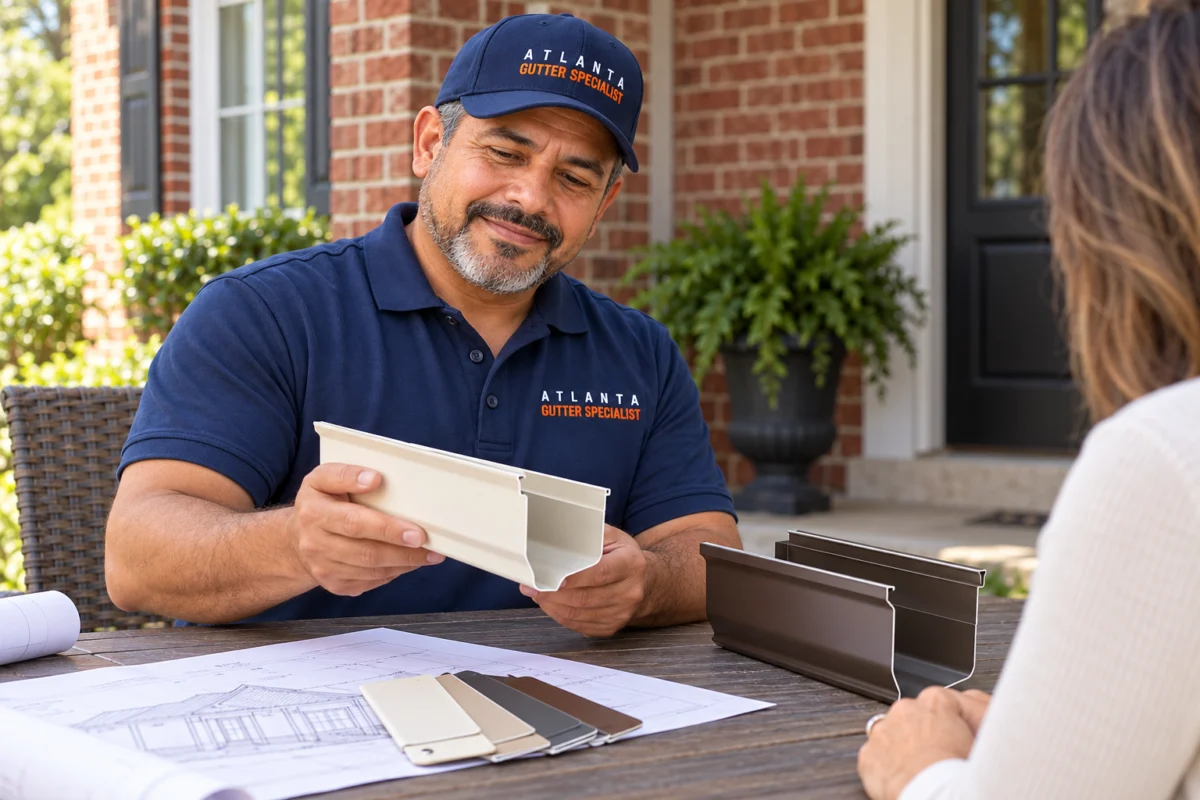
Atlanta homes often feature aluminum gutters because they resist rust and are lightweight. An aluminum gutter that is still structurally sound can often be repaired successfully. However, if the finish is failing or the metal has become brittle from years of sun exposure, replacement with a similar or upgraded material may be the better path. Seamless installation is a common upgrade during replacement, because it eliminates the joints that are frequent failure points in traditional sectional gutters. A seamless gutter is formed from a single piece of material to fit the exact length of the roofline, reducing the risk of leaks at seams. This is a significant advantage for homeowners who want minimal maintenance and maximum durability.
Weighing the Costs and Effort
Repair is generally less disruptive than a full replacement. It can be completed in a few hours and does not require removing the entire system. But if you find yourself calling for repairs every year or two, the cumulative cost and inconvenience can exceed the price of a new installation. On the other hand, replacement is a larger upfront commitment, but it gives you a system that should perform reliably for many years with proper care. The decision often comes down to whether you are fixing a symptom or addressing a root cause.
Seasonal and Weather Factors
The timing of the work matters. In Atlanta, spring and fall offer mild weather that is ideal for both repairs and replacements. Trying to patch a gutter during a rainy week can lead to poor adhesion and temporary fixes that fail quickly. If you are planning a replacement, scheduling it when the forecast is clear gives the installers the best conditions to achieve a proper seal and correct pitch. Waiting too long can also lead to more damage, as water spilling over clogged or sagging gutters can erode landscaping, stain siding, and seep into foundations.
Making Your Decision
Every home is different, and the condition of your gutters will tell you what needs to happen. A thorough inspection, preferably after a rainstorm when problems are most visible, is the first step. Look for signs of water overflow, check for sagging sections, and examine the ground below the downspouts for erosion. If you see trouble in multiple areas, a full replacement is likely the smarter investment. If the issues are minor and localized, a targeted repair can extend the life of the existing system for several more years. The phrase "gutter repair or replacement" describes exactly the judgment call that many homeowners face, and there is no one-size-fits-all answer.
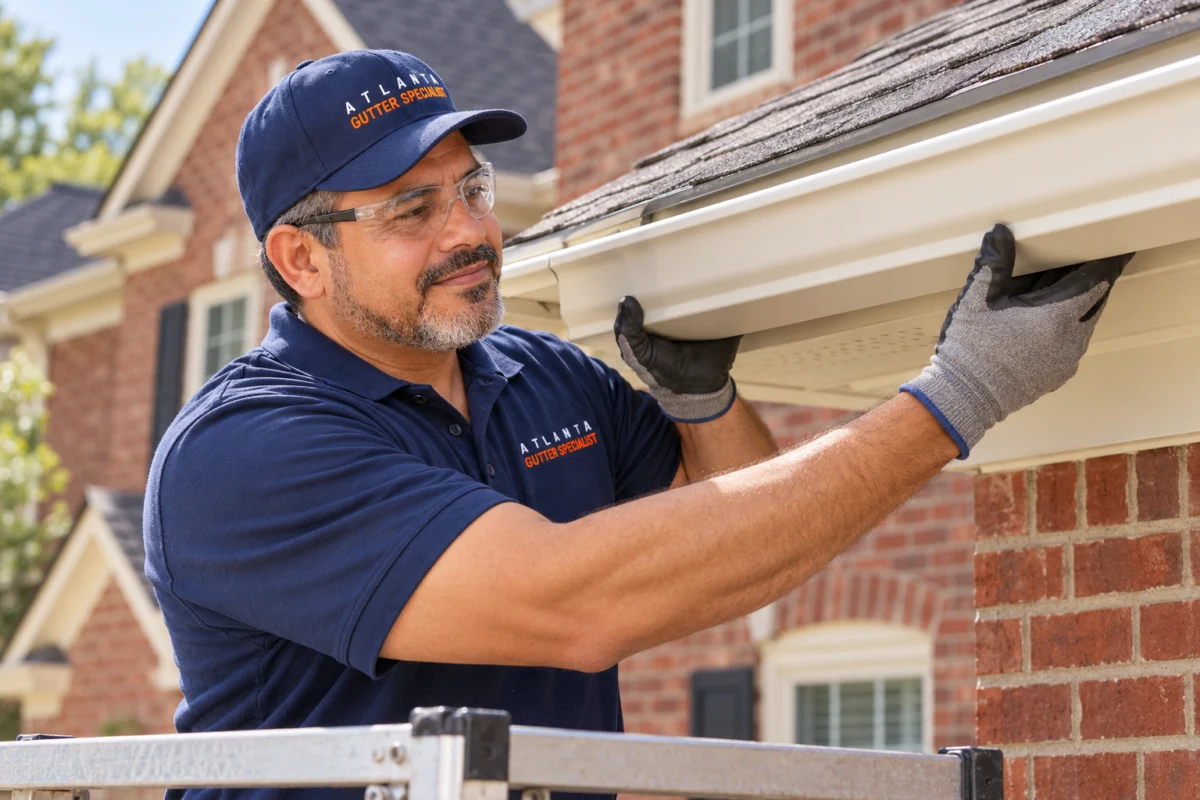
When the gutters are old and the problems are spreading, replacement gives you the chance to upgrade to a system that is better suited to your home's specific needs. You can choose materials that resist corrosion, add leaf guards to reduce clogging, and ensure the downspout placement maximizes water diversion. For newer systems with isolated damage, a repair is often all that is needed. Understanding the difference between these two paths and knowing when to choose one over the other is the key to protecting your home from water damage without spending more than necessary. Whether you end up with a simple fix or a complete overhaul, the goal is the same: a gutter system that works quietly and reliably through every season.